Getting to Know Your Study Procedures

When you participate in a clinical trial, there are a variety of exams and procedures you will be asked to undertake.
Some exams you may have experienced from visiting your ophthalmologist or optometrist. But every study is unique and may have procedures you’re unfamiliar with, especially if you’re new to the ophthalmological world.
Together we will explore some common exams and procedures you can expect when participating in a clinical research study at Ora.
Let’s get started!
General Exams
Physical Exam: This is a full body examination involving your: head, neck, thyroid, ears, eyes, nose, throat, lungs, heart, chest, lymph nodes, abdomen, skin, muscles, bones, and nervous system. Your weight and height will also be measured.
Vital Signs: Vital signs are measured, including pulse (number of heart beats per minute), blood pressure, respiratory rate (number of breaths per minute), and body temperature.
Electrocardiogram (ECG): This test measures the electrical activity of your heart. You will be asked to lie down, and small sticky pads will be put on your arms, legs, and chest. The sticky pads connect to a device that measures your heart’s electrical activity.
Eye Exams
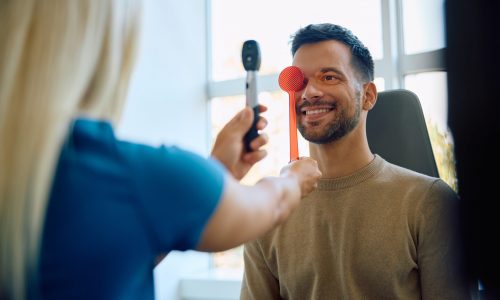
Best Corrected Visual Acuity (BCVA): This test measures how well you see letters from a distance. You will be asked to read letters from a chart. You’ve likely done this with your optometrist before.
Low Luminance Visual Acuity: This test also measures how well you see letters. For this test, a filter is put over your eye or you will be in a room with dim light while you read letters from a chart.
Visual Fields (static): You will be asked to focus on the screen, and every time you see a flash of light you need to press a button.
Microperimetry (mesopic): You will be asked to focus on the screen and press a button when you see the target.
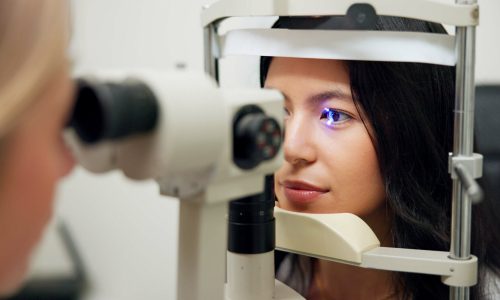
Slit lamp exam: The Trial Doctor will shine a small light in your eye so they can examine it in detail.
Intraocular Pressure (IOP) Measurement: Measures eye pressure to help protect against complications.
Indirect Ophthalmoscopy: The Trial Doctor will shine a light in your eye so that they can look at the back of your eye in detail.
Ocular Coherence Tomography (OCT): This is a scan of the back of your eye.
Fundus Photography: This is a series of photographs taken of the back of your eye.
Ultra Widefield Fundus (UWF) Photography: This is similar to fundus photography, but photographs will be taken over a wider area of the eye.
Fundus Autofluorescence (FAF): This involves taking images of your eyes with a blue light.
Lab Exams
Genetic Mutation Confirmation: A blood sample may be taken and tested to make sure you have the appropriate gene mutation for a trial. This is often done for trials studying rare genetic disorders.
Pregnancy Test: If you are able to become pregnant, a blood or urine test will be done to check your pregnancy status. If you are not able to become pregnant, this may be confirmed with information from your medical history.
Blood and Urine Samples: Blood and urine samples may be collected to assess that it is safe for you to take part in the clinical trial, test for infections or diseases, and to monitor your general health throughout the trial.
Tear Samples: Your tears can be collected with a test strip or a swab used on the side of your eyes. It can be valuable to evaluate how your tear composition changes in response to treatments.

Questionnaires
Quality of Life Questionnaires: Helps the study team understand how your vision affects your daily life and how the study treatment may affect that.
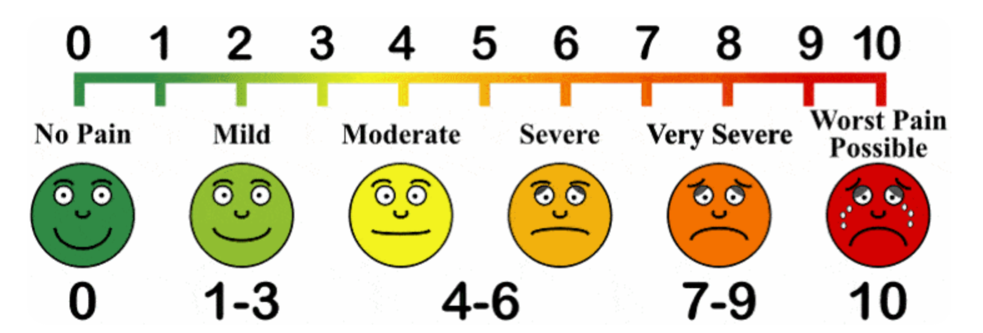
Visual Analogue Scale: This involves rating various symptoms by placing a slash on a continuous line, typically 100mm. This is how patients mark their subjective experience, like pain, mood, or fatigue, providing a precise measurement of intensity.
Ocular Surface Disease Index: This questionnaire involves 12 questions for patients to rate the frequency of symptoms or experiences on a scale from 0 to 4 or N/A. These questions relate to dry eye symptoms and how DED affects various activities.
How You Can Get Involved
At Ora, we’re dedicated to improving eye health through innovative clinical trials. By participating, you can contribute to cutting-edge research while benefiting from expert care. Furthermore, you can learn more about your own eye health and get compensated for your participation. Please visit https://oraconnects.com/find-a-trial/ to find out more about our ongoing studies and see if you qualify.
Want to Stay Informed About the Latest Blog Posts?
Sign up for updates and never miss a post! We’re excited to share more insights on eye health. Our next blog post will be released on the first Monday of every month.