How Gene Therapy Is Transforming Vision Loss Treatment
For decades, many forms of genetic or inherited ocular conditions were considered untreatable. Patients with genetic eye diseases were often told that the condition would gradually worsen and that little could be done beyond managing their symptoms. However, advances in gene therapy are beginning to change that reality. By using new technology scientists can target the root cause of certain eye disorders, and clinical trials are opening the door to treatments that could preserve and possibly restore vision for patients.
Let’s take a deeper dive!

Understanding Genetics and Vision Disorders
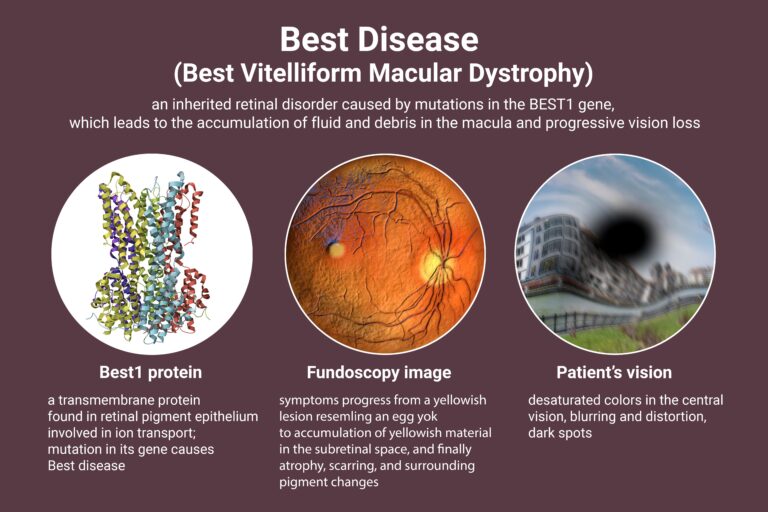
Many types of vision loss are caused by mutations in specific genes that are responsible for the healthy function of retinal cells. Many of these mutations have been identified and a genetic eye disease could have one or more different mutations that can cause the condition.
Examples of inherited retinal diseases include:
- Retinitis Pigmentosa
- Leber Congenital Amaurosis
- Autosomal Dominant Optic Atrophy (ADOA)
- Stargardt Disease
These conditions often begin in childhood or early adulthood and can lead to severe visual impairment or even blindness over time.
Traditional treatments have focused on slowing disease progression or helping patients adapt their lives to vision loss.
What is Gene Therapy?
Gene therapy modifies or replaces faulty genes in a person’s cells in order to treat disease. In the context of eye care, gene therapy usually involves delivering a healthy copy of a gene directly into retinal cells. Allowing the cell’s to make a functioning version of the faulty or missing proteins that contribute to proper eye function.
This process typically works in three main steps:
- Scientists identify the defective gene responsible for the disease.
- A healthy version of that gene is packaged inside a harmless virus type biologic structure (vector).
- The vector is injected into the retina, where it delivers the gene to affected cells.
Once inside the cells, the new gene can help produce the proteins needed for normal visual function.
One reason the eye is particularly well suited for gene therapy is that it is small, accessible, and relatively isolated from the rest of the immune system, which helps reduce unwanted immune reactions.
What the Future Looks Like
The success of early gene therapy treatments has sparked a wave of research. Scientists are currently studying gene-based therapies for many retinal conditions.
Despite its promise, gene therapy still faces important challenges. Some retinal diseases involve many different gene mutations, making successful treatment complex. Clinical trials studying new gene therapies usually target one mutation.
Gene therapy is one of the most exciting developments in modern ophthalmology. For patients who once had little hope of treatment, these advances offer new possibilities for protecting sight.
At Ora, we’re committed to developing innovative solutions for every eye condition. If you or a loved one suffers from an inherited disease affecting their vision and would like to learn more about clinical trial opportunities, contact our call center at 1-866-393-3767 (1-866-EYE-DROP) or email orarecruiting@oraclinical.com.

Want to Stay Informed About the Latest Blog Posts?
Sign up for updates and never miss a post! We’re excited to share more insights on eye health. Our next blog post will be released on the first Monday of every month.