Uveitis: The Eye Condition Many People Have Never Hear About
When people think about eye problems, conditions like cataracts, glaucoma, or macular degeneration usually come to mind. But there is another eye disease that many people have never heard of—uveitis. Despite the low awareness, uveitis is one of the leading causes of preventable vision loss worldwide. Understanding what it is, how it develops, and why early treatment matters can help protect your eyesight.
Let’s get started!
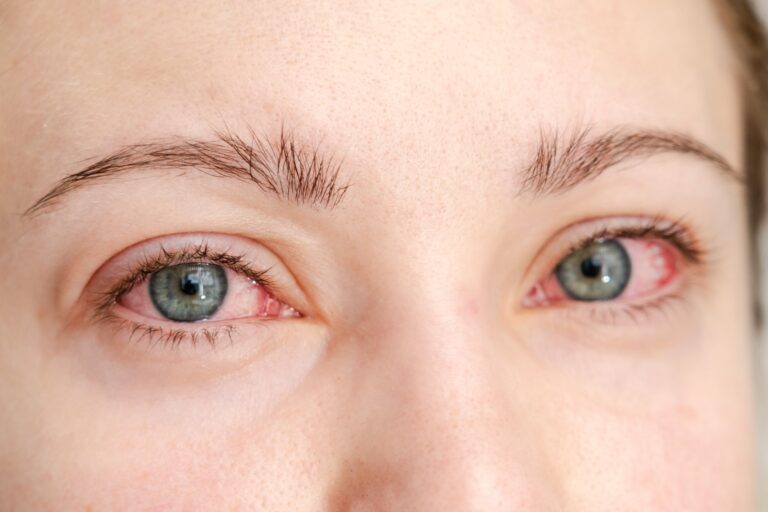
What is Uveitis?
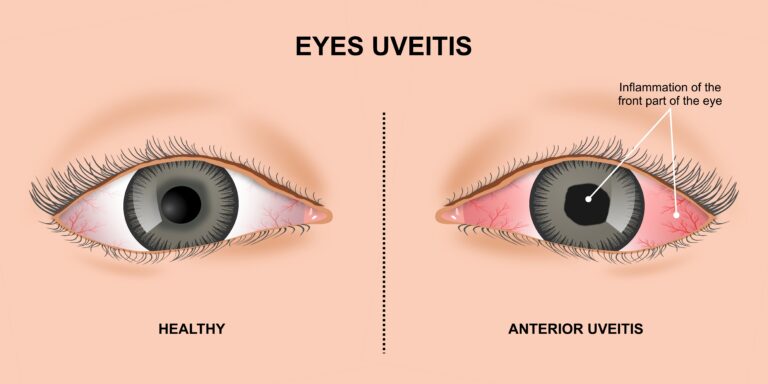
Uveitis refers to inflammation of the uvea, the middle layer of the eye. The uvea contains important structures that supply blood to many parts of the eye. Inflammation in this area can quickly affect vision and sometimes permanently if left untreated.
While uveitis can appear suddenly with severe symptoms, it can also develop slowly over time. Doctors typically
classify uveitis into four types based on where the inflammation occurs:
- Anterior uveitis – affects the front of the eye (iris); the most common type
- Intermediate uveitis – affects the vitreous and middle structures of the eye
- Posterior uveitis – involves the retina and choroid at the back of the eye
- Panuveitis – inflammation occurs throughout the entire uveal tract
Common Symptoms
Some of the most common warning signs include:
- Eye redness
- Pain or discomfort in the eye
- Blurred or decreased vision
- Sensitivity to light (photophobia)
- Dark floating spots in vision (floaters)
- Excessive tearing
These symptoms may start out as mild or barely noticeable, which is why regular eye exams are especially important for detection.
What Causes Uveitis?
Uveitis has many possible causes, and in some cases the exact cause is never determined. However, the condition is often linked to problems involving the immune system.
Possible causes include:
- Autoimmune diseases: Conditions such as rheumatoid arthritis, lupus, and inflammatory bowel disease can trigger inflammation in the eye.
- Infections: Certain viral, bacterial, fungal, or parasitic infections may lead to uveitis.
- Eye injury or trauma: Physical injury to the eye can sometimes cause inflammatory reactions.
- Underlying inflammatory disorders: Some systemic inflammatory diseases may affect multiple organs, including the eyes.
Because of these varied causes, diagnosing uveitis may involve collaboration between ophthalmologists and other medical specialists.

Why Early Diagnosis Matters
Uveitis can lead to serious complications if untreated. Uveitis can contribute to the development of:
- Cataracts
- Glaucoma
- Macular Edema
- Retinal detachment
How Uveitis Is Treated
The primary goal of treating Uveitis is to reduce inflammation, relieve pain, and prevent tissue damage. Your doctor may prescribe corticosteroid eye drops or injections to reduce inflammation, oral medications to suppress immune system activity, or antibiotics or antiviral medications if an infection is the cause. Long-term treatment may be necessary to prevent flare-ups.
The Bottom Line
Uveitis may not be widely known, but its impact on vision can be significant. With early detection and proper treatment, many people with uveitis can preserve their sight and maintain a good quality of life.

How You Can Get Involved
At Ora, we’re committed to developing innovative solutions for every eye condition. If you or a loved one has uveitis and would like to learn more about clinical trial opportunities, contact our call center at 1-866-393-3767 (1-866-EYE-DROP) or email orarecruiting@oraclinical.com.
Want to Stay Informed About the Latest Blog Posts?
Sign up for updates and never miss a post! We’re excited to share more insights on eye health. Our next blog post will be released on the first Monday of every month.